GuideIndieTools
Swift AI Tasks: Review Cancellation and Late Results
Review a Swift AI workflow through cooperative cancellation, late responses and preserved user input without assuming a closed screen stops server work.
Practical guides and product comparisons for indie founders, covering SaaS, SEO, AI, developer tools and building in public.
Paid articles carry a clear disclosure above the article.
Review a Swift AI workflow through cooperative cancellation, late responses and preserved user input without assuming a closed screen stops server work.
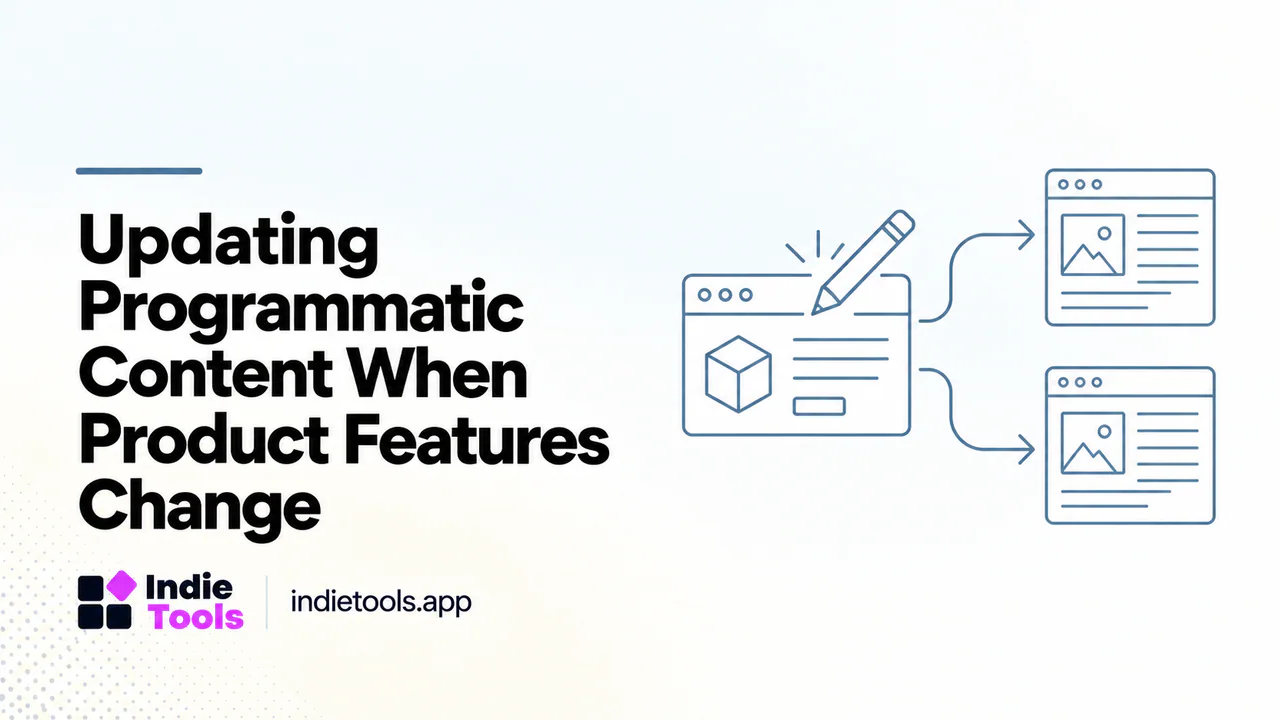
Update programmatic content by tracing a changed product fact to every page that depends on it. Rewriting the product description alone is not enough when category summaries, comparisons and benchmark explanations reuse the same information.
Define archive fields, versions and import checks so exported Kotlin application data remains understandable across app updates and companion tools.
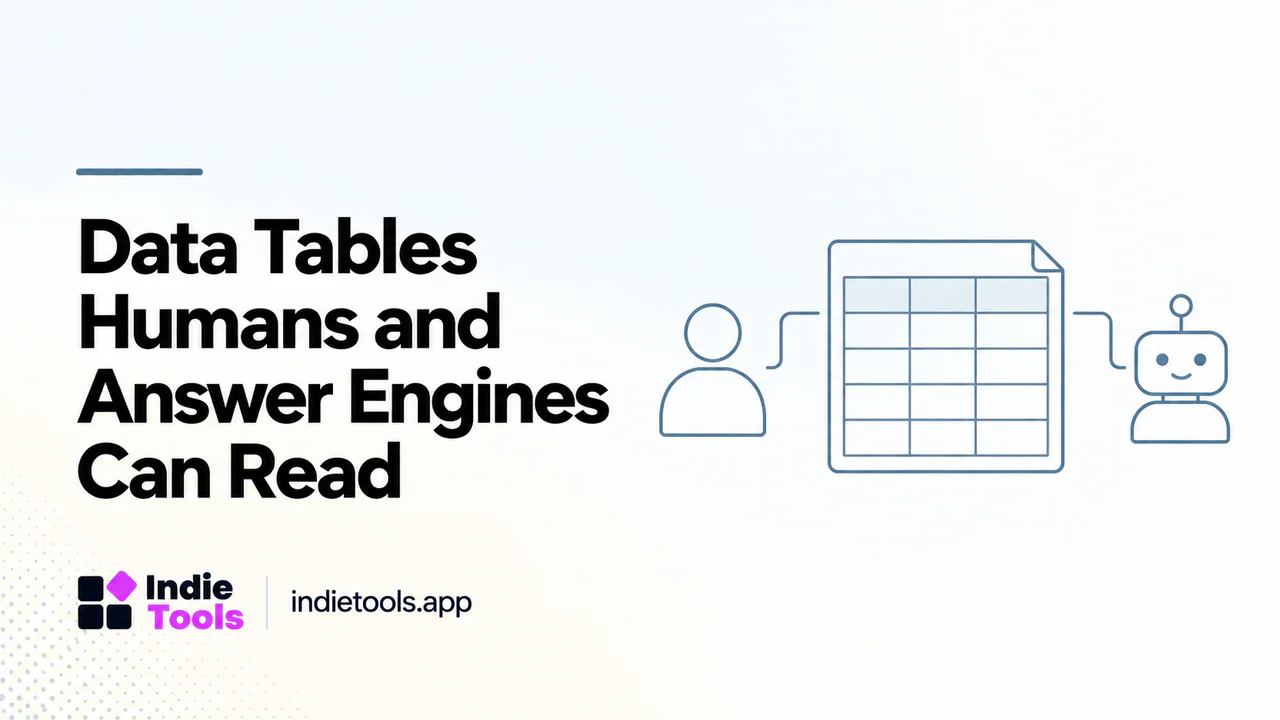
A useful data table should remain understandable when a reader encounters one row outside the surrounding article. Clear column names, units, dates and scope make the information easier to evaluate without requiring the reader to reconstruct hidden assumptions.
Create a compact job-search record that preserves original employer links, important requirements and unknown location conditions before applying.
Check labels, field limits, saved values and the return path in the actual PDF viewer before distributing a new form.
Run a short presentation rehearsal that tests annotation visibility, clear-screen controls and safe demo data in the actual capture mode.

Compare Portugal-listed game companions by the lookup task, offline behavior and reference context that matter during a real play session.

A country-specific SaaS landing page is useful when it answers a genuine country-related question that the global page does not answer well. Changing a country name in a headline is not enough. The page needs accurate, relevant information and a clear reason to exist.

Assess NextFeed by source-to-channel mapping, variant identity and reviewable transformations before enabling automated catalogue distribution.

Record the destination, quoted rate and two-way audio observations from a short authorized call instead of generalizing from one successful connection.
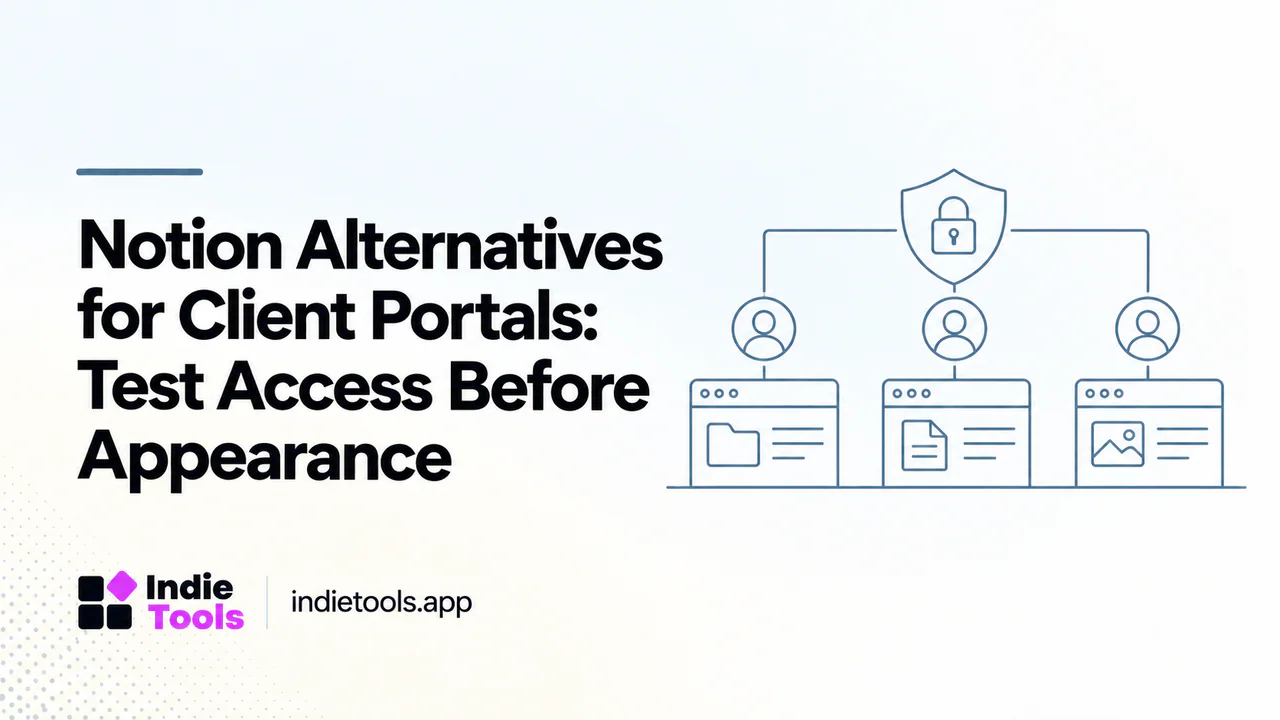
A client portal alternative should first prove that each client can access the right information and no one else's. Page design, templates and branding matter after that boundary works. A tool that is excellent for internal notes is not automatically suitable for customer-facing collaboration.

Plan an Angular access review that separates route navigation, server authorization and recovery after permissions change.

Assess TraffikList by audience fit, listing clarity and what remains after the weekly board changes, without treating votes as qualified demand.
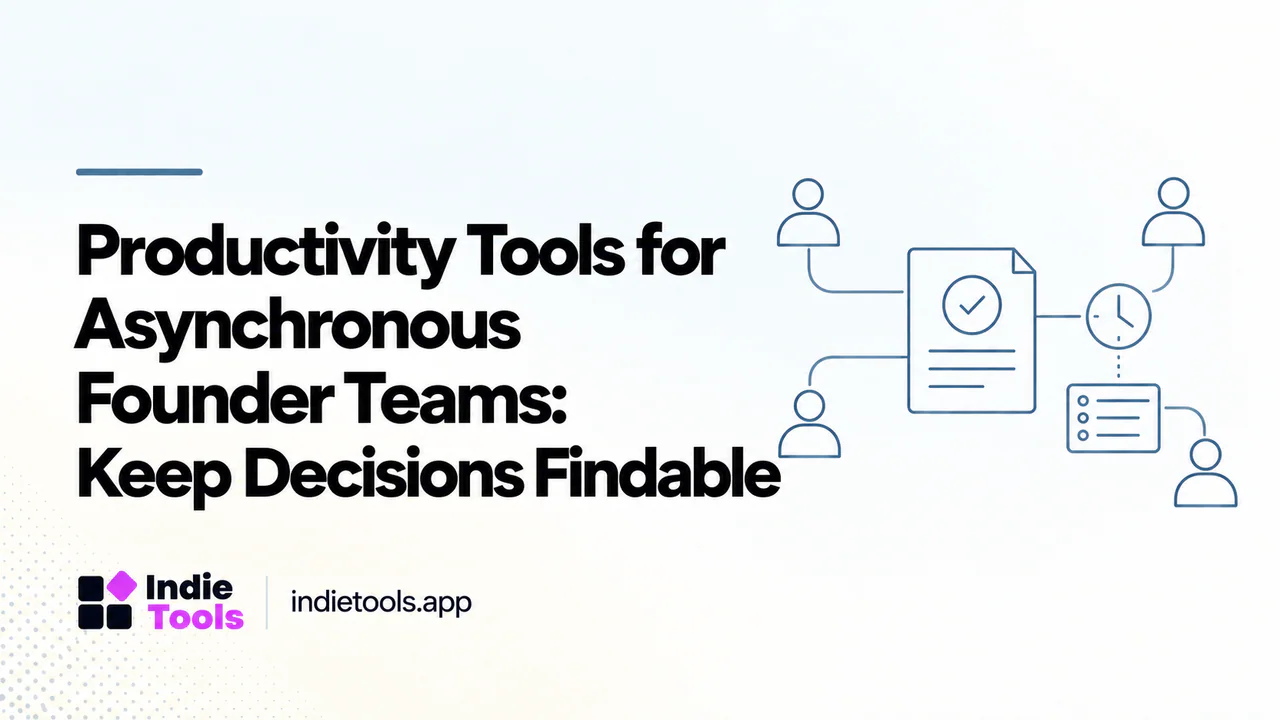
For an asynchronous founder team, the most useful productivity tool is the one that preserves a decision with its context, owner and next action. A large collection of chat, task and document apps can still leave the team asking the same questions every morning.

Align queued notifications with committed records and duplicate protection so workers do not announce a change that later rolls back.

Evaluate Piano to Sheet Music through recording quality, editable outputs and correction effort rather than assuming an automatic score is finished.
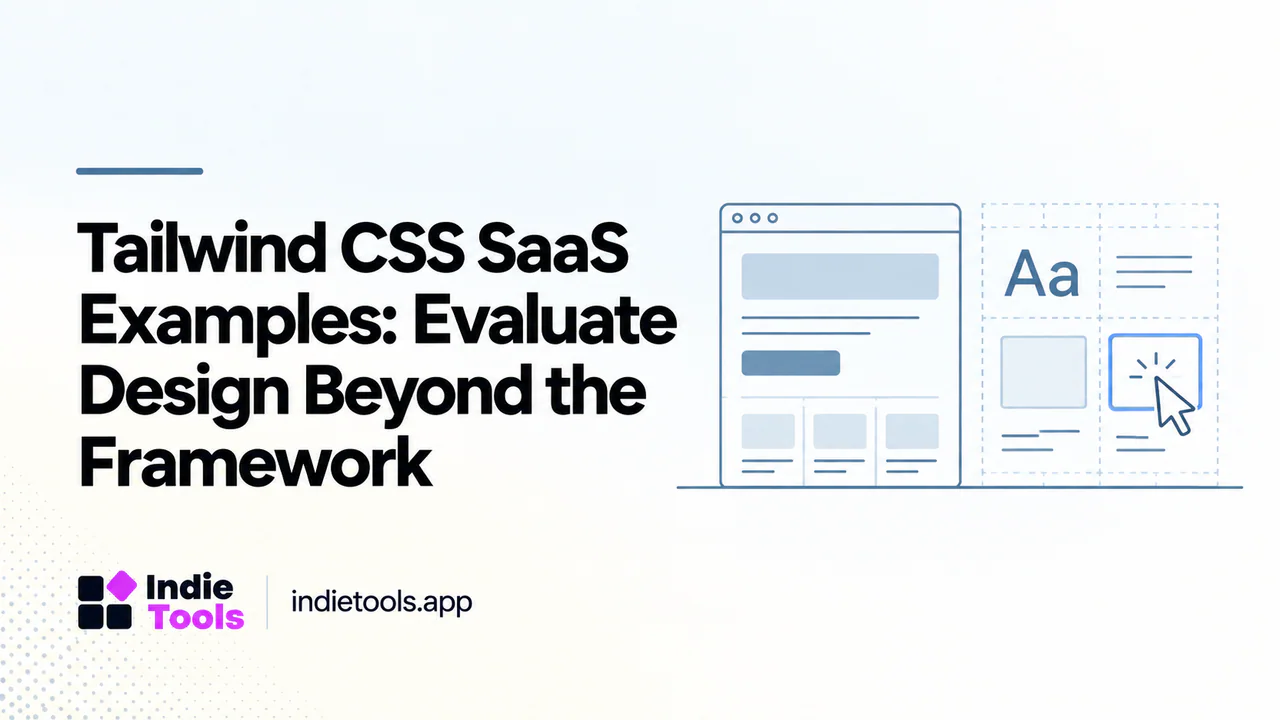
Use Tailwind CSS SaaS examples to study design decisions, not to assume that a styling approach produces a particular level of usability. The important questions concern hierarchy, states, consistency and accessibility. A shared technology label does not make two interfaces equivalent.

Turn a generated investor list into a small documented shortlist with current role checks, firm-level deduplication and an explicit outreach decision.
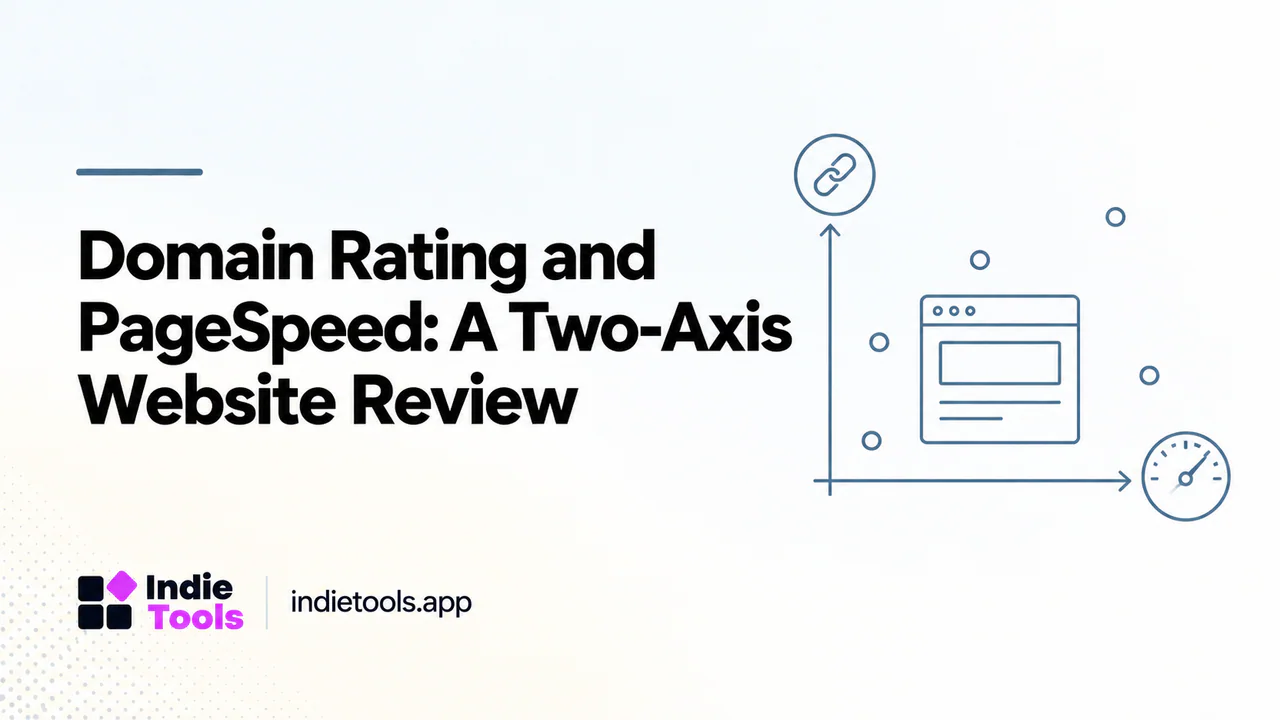
Use Domain Rating and PageSpeed as two separate observations in a website review. One concerns a backlink profile; the other concerns a measured page experience. Combining them can help organize research, but multiplying them into a universal “best product” score hides important differences.

Connect Framer CMS titles, descriptions and social images to the right records, then check published pages instead of trusting the editor preview.

Introduce MongoDB validation around stable catalogue facts while auditing existing records and preserving legitimate historical differences.
Use ReachFast as a Poland-listed discovery example to build a review queue that separates buying questions from mentions, jokes and existing support requests.
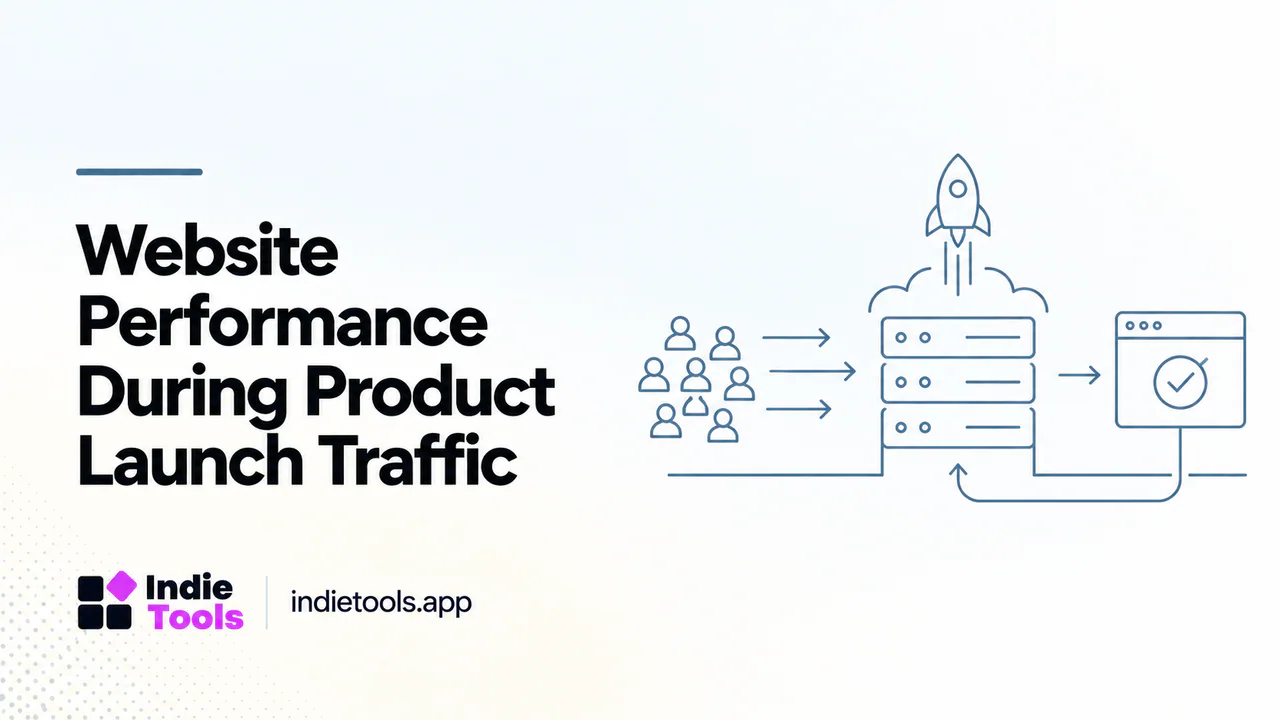
Prepare for launch traffic by testing the paths that would prevent a visitor from becoming a user. A homepage that loads quickly for one synthetic visitor does not establish that signup, search or payment will remain reliable under a burst of demand.
 Hairstyle AI | Hair Cut Try on
 Make Resume
 Scan Pro Receipt
 Find Data Science Jobs: Find Your Next Data Science Job
 FormForge
 SketchScreen
 Pokopedia
 Stardew Valley Tracker
 NextFeed
 Telvio
 Veira
Veira  TraffikList
 YourBiz
 Piano to Sheet Music
 RaiseHunt
 LaunchAF
 code.live
 ReachFast