GuideCengiz YILMAZ
How to Use Startup Directories for Distribution
Turn startup directories into a durable distribution channel with better platform selection, profile optimization, staggered launches, and attribution.
Practical guides and product comparisons for indie founders, covering SaaS, SEO, AI, developer tools and building in public.
Paid articles carry a clear disclosure above the article.
Turn startup directories into a durable distribution channel with better platform selection, profile optimization, staggered launches, and attribution.
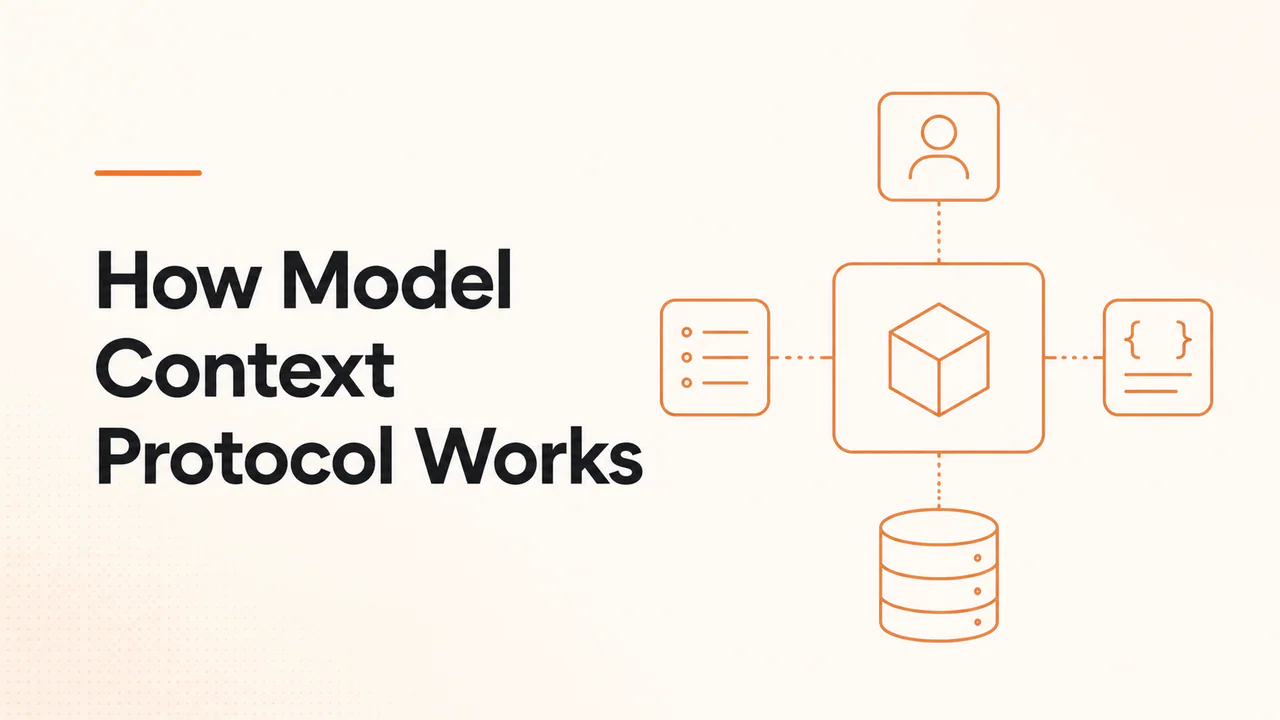
Understand MCP hosts, clients, servers, initialization, capability negotiation, tools, resources, prompts, transports, and approvals.

Learn how search engines discover URLs, crawl content, process and index pages, rank results, generate snippets, and handle AI search experiences.

A practical SaaS onboarding checklist to reduce time to value, remove friction, measure activation, and improve the first user experience.
Compare Ahrefs Domain Rating and URL Rating by scope, calculation, use case, internal links, backlink analysis, and ranking limitations.
Understand regular, nofollow, sponsored, and UGC links, what they signal to search engines, and how SaaS founders should evaluate directory backlinks.
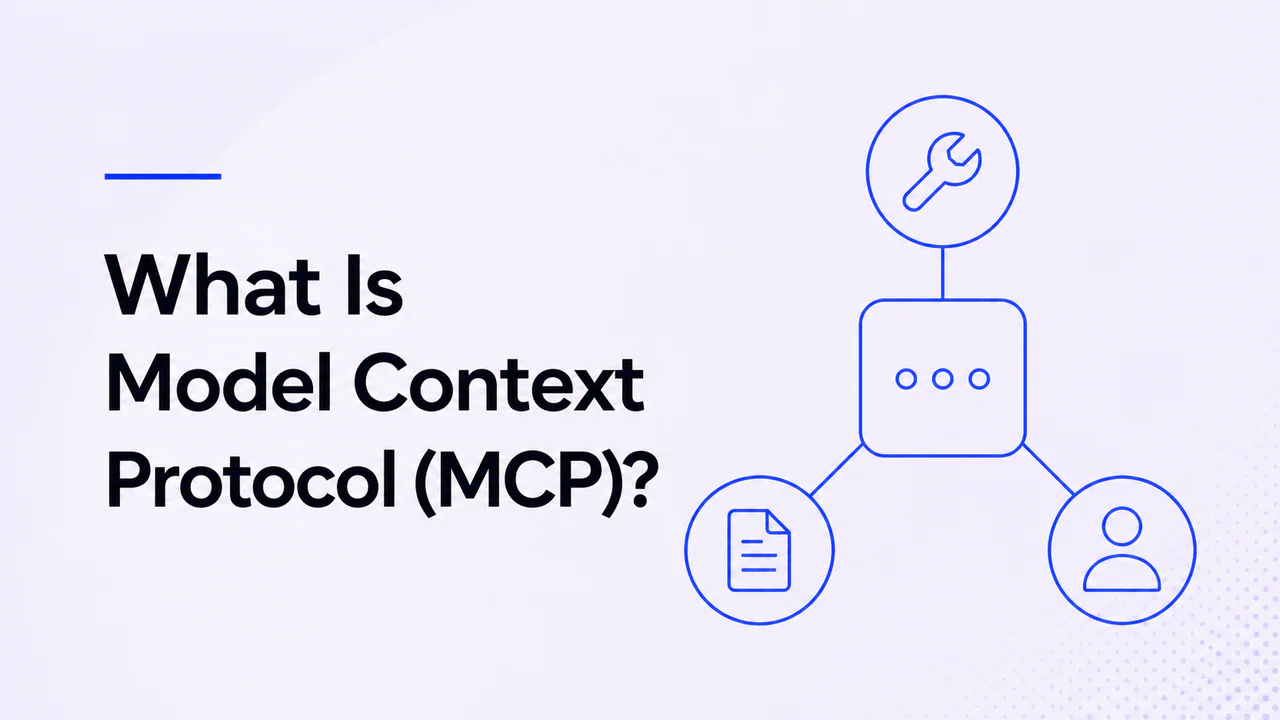
Learn what MCP is, how hosts, clients, and servers connect AI applications to tools, resources, and prompts, and when to use it.

Compare uptime monitoring tools for SaaS by check type, alerting, status pages, API monitoring, synthetic tests, and solo-founder operations.
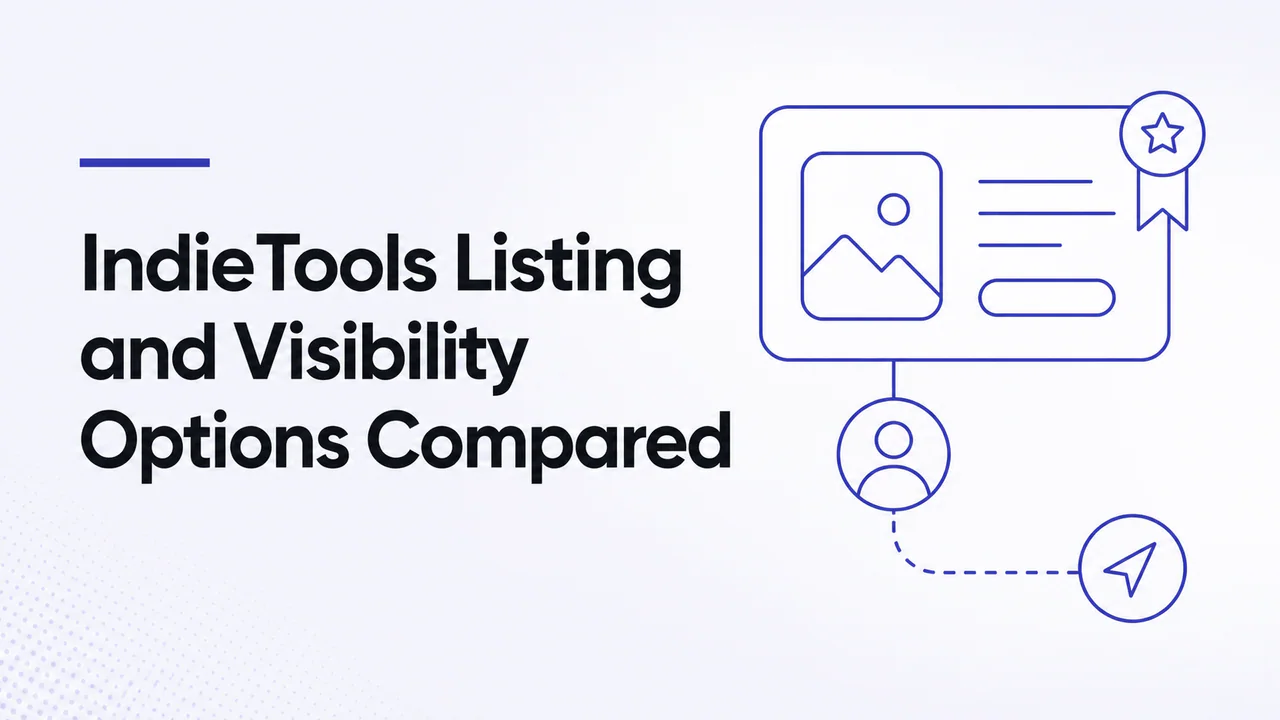
Compare the IndieTools Free listing, Permanent Followed Backlink, and Featured placement by purpose, duration, link treatment, and measurement.
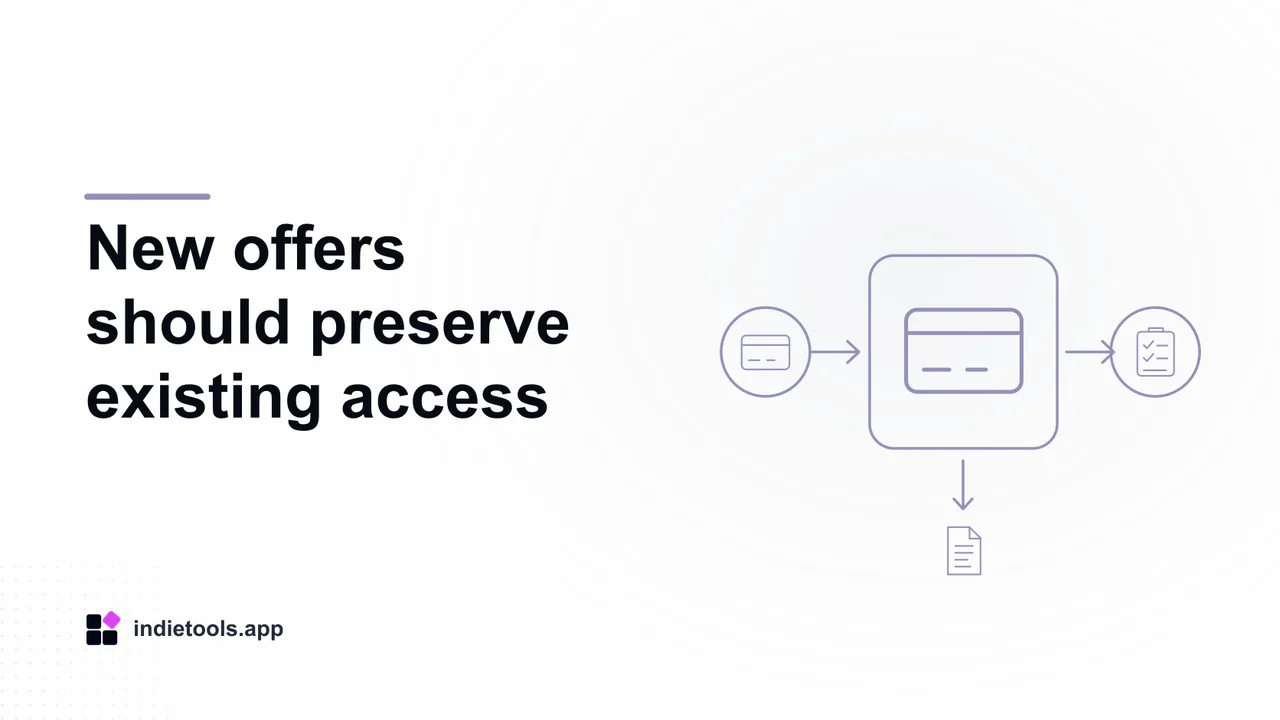
Plan a RevenueCat paywall release with explicit product-to-entitlement mapping, legacy access fixtures and checks for the capabilities customers bought.
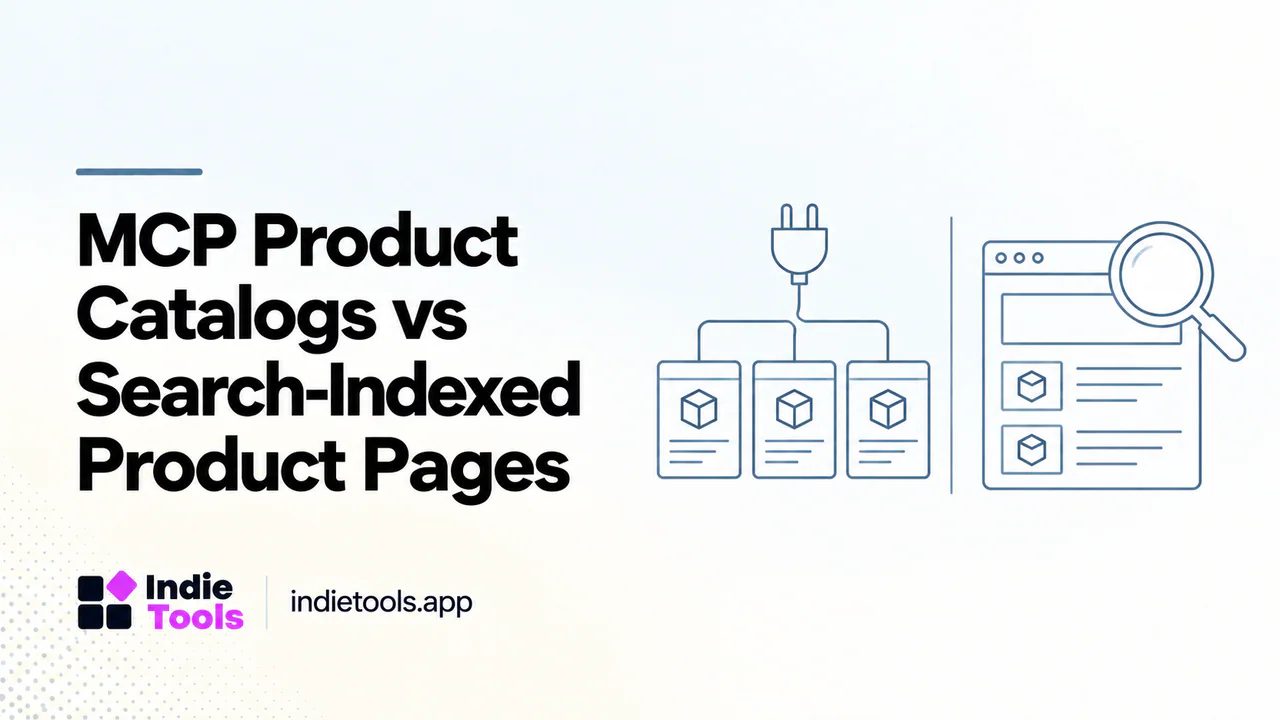
An MCP product catalog and a search-indexed product page solve related but different problems. The catalog gives a connected client a structured way to request information; the page provides a public destination that people and search systems can discover, read and cite.

Evaluate Flutter layouts through real editing tasks, keyboard use and window changes instead of treating a resized screenshot as sufficient.

Translate palette output into semantic roles, test a small component set and document exceptions before applying new colors across a product.
A dynamic software comparison should help readers evaluate a defined task using current, sourced facts. It should not manufacture a winner from missing fields or publish every possible product pair simply because the database can create the URLs.
Review what an Alpine.js interface shows before initialization, after a script failure and when a visitor returns through browser history.

Country-based competitor research is useful for discovering products and patterns, but a directory sample should not be presented as the complete market. The first task is to define what the sample includes, what it excludes and which conclusions the evidence can support.

Use a harmless scheduled job to test missed-run detection, notification ownership and recovery confirmation before trusting a monitoring dashboard.

Classify Vite configuration as public or server-owned, verify build-time substitution and inspect the emitted browser assets before release.
Organize dates, source notes, corrections and questions in a personal log while leaving medical interpretation to an appropriately qualified professional.
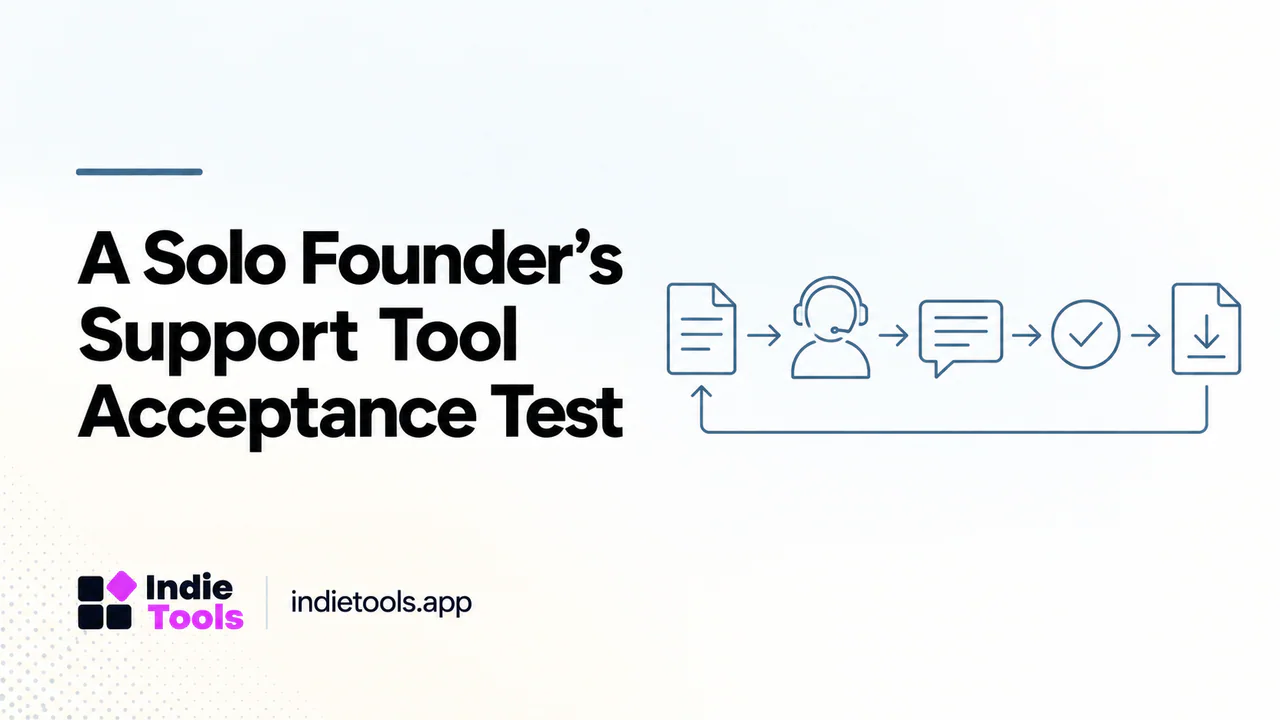
Evaluate a support tool by running one clearly fictional customer case from intake to reopening and export. This acceptance test helps a solo founder check privacy, escalation and record portability before moving real customer conversations.
Assess ReplayChess for historical-position practice by checking challenge setup, independent decisions and useful review after the continuation.
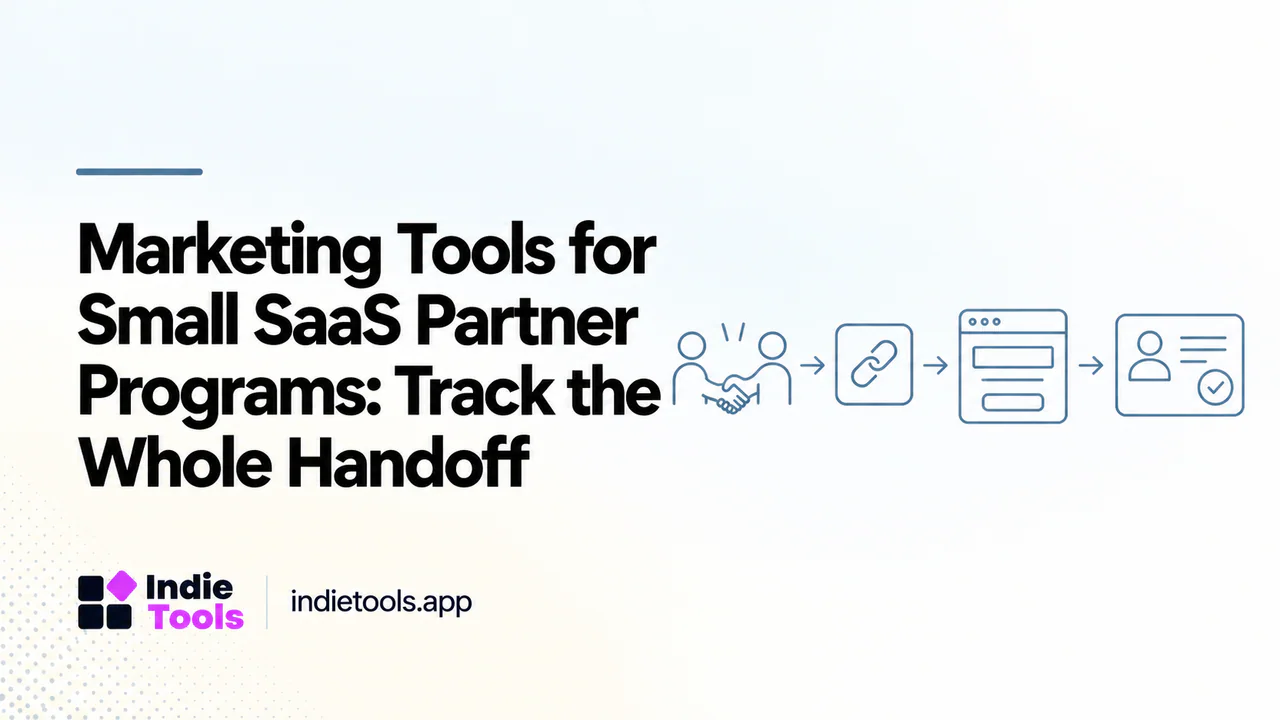
Select partner marketing tools around the handoff from a partner's recommendation to a qualified customer relationship. Link clicks alone are not enough. A small SaaS team needs to know which referrals are valid, what happened after signup and whether the promised reward can be calculated consistently.
Use declared Alpine.js product examples to investigate which interactions belong in local browser state and which require a server-owned workflow.
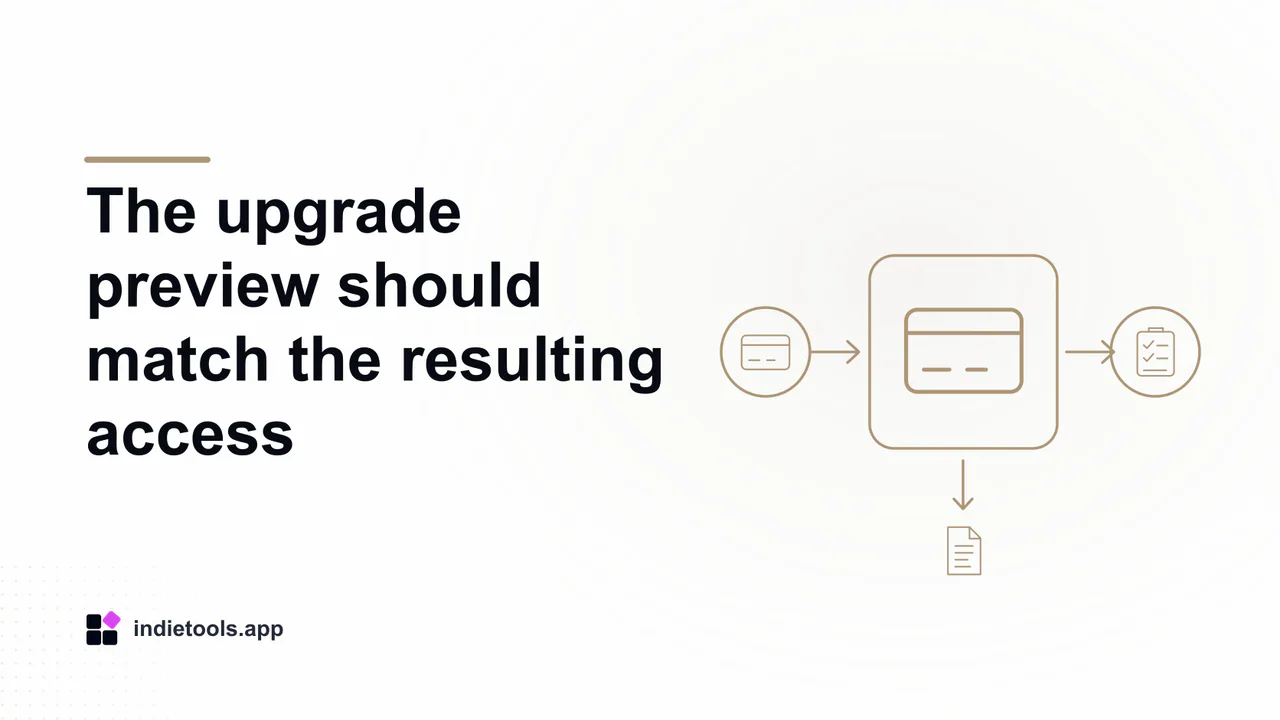
Review subscription changes through the displayed charge preview, proration policy, invoice state and the workspace capabilities that actually change.
 dullnote
 SEOReport
 Ticketping
 99helpers
 Status Monkey
 Make Resume
 ASO.dev
 Converly Colors
 Yvo3D
Yvo3D Crontinel
 CloudPloy
 YourBiz
 PepLedger – Peptide Tracker
 ReplayChess
 Huxly
Huxly Orbit
Orbit Peak Answer