
GuideIndieTools
HTML Buttons: Make Utility Actions Named, Predictable and Keyboard Usable
Review copy, clear, generate and download controls through their accessible names, explicit purpose and actual keyboard behavior.
Practical guides and product comparisons for indie founders, covering SaaS, SEO, AI, developer tools and building in public.
Paid articles carry a clear disclosure above the article.
Review copy, clear, generate and download controls through their accessible names, explicit purpose and actual keyboard behavior.

Build a small capability review for contributors, editors and administrators before expanding access to a WordPress publication.

Evaluate SketchScreen by annotation clarity, capture behavior and presentation control, using the viewer’s screen rather than only the presenter’s desktop.
Analyze technology adoption in a product directory by defining what the records can actually represent. A founder-reported catalog can describe its own disclosed stack patterns, but it is not automatically a representative survey of all startups or all software in production.
Build a small AI gateway trial around response contracts, fallback permissions, cancellation and usage reconciliation, using APINEED as the discovery example.

A citation-worthy SaaS dataset makes its claims easy to check. Define the population, preserve the measurements and explain the limitations before writing the headline. Original data becomes useful when another person can understand what was measured and why the conclusion follows.
Use a small comparison record to distinguish image matches, exact variants and complete seller offers when browsing visual-search results.

Evaluate Archmaster for visual exploration while checking which details changed and keeping measured plans, product availability and construction decisions separate.
A performance regression process should catch meaningful changes before they become a recurring customer problem. For a small SaaS team, start with a few representative routes, reproducible conditions and clear ownership. A complicated dashboard that nobody uses is less valuable than a small test suite linked to…

Use AEON Intel as a catalogue example to review data provenance, freshness, interface behaviour and the boundary between observation and execution.
A credible website speed improvement report preserves the baseline, explains the change, and shows comparable evidence afterward. It does not select the worst old run and the best new run, hide failed measurements, or turn a single route's improvement into a claim about the entire application.

Define what each Kubernetes probe means for a service so temporary unavailability does not automatically become an unnecessary restart.

Plan an Astro content collection around stable identities, required evidence, references and correction workflows before multiplying page templates.

Examine Indie Chains through audience relevance, editorial control and referral value, while separating collaboration from promises about search rankings.
A startup directory and a niche community can support different parts of product discovery. A directory helps people browse structured product information; a community can provide contextual discussion with people who share a problem. The right choice depends on the release, audience and work the founder can sustain.

Evaluate Expiry Manager through confirmed dates, reminder lead times, shared ownership and the distinction between a reminder and a completed renewal.

Use APINEED as a concrete starting point for comparing gateway interfaces, routing controls and evidence of what each request actually used.
Review the metadata and public response generated by a Webflow Collection template using representative items and explicit publication states.
Use a small configuration fixture to identify altered types, missing values and unsupported structure before replacing a maintained file.
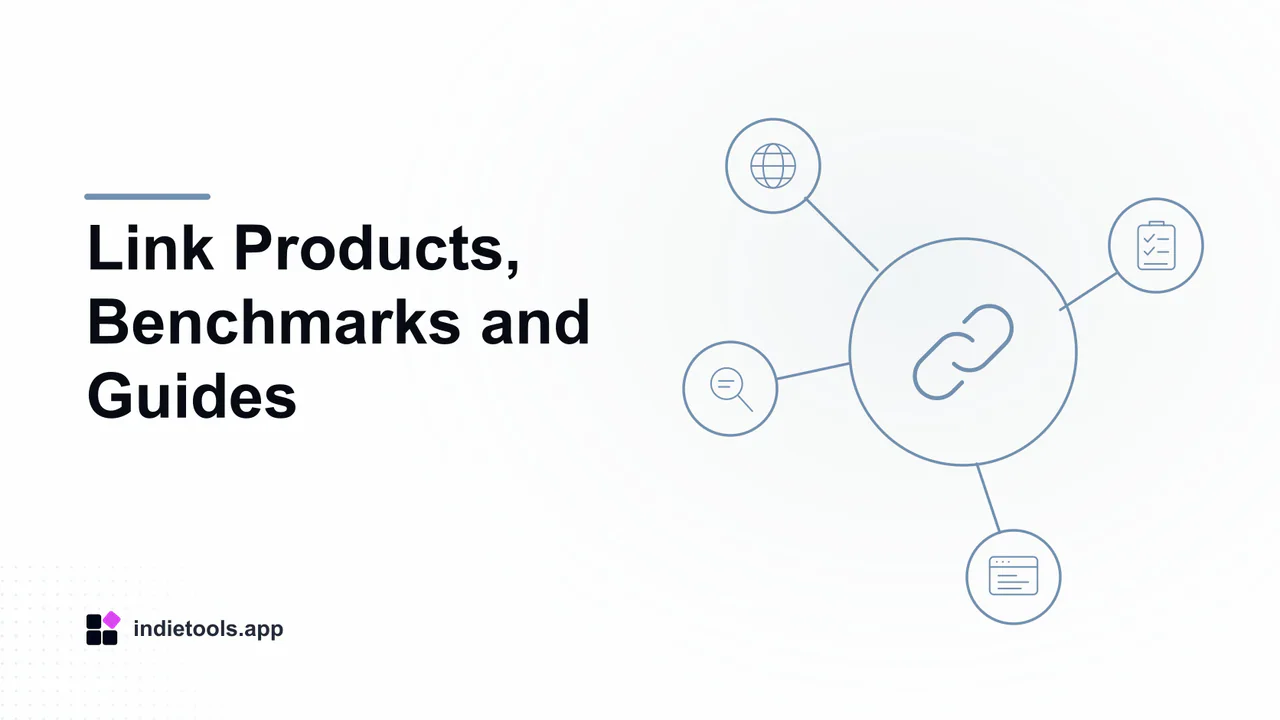
Internal links should help a reader move from a question to the evidence or product detail needed next. For a software directory, the strongest structure connects guides, collections, benchmark methods and canonical product records without forcing every page to link to everything else.

Plan reproducible Python media jobs by recording inputs, dependencies, settings and external model boundaries without promising identical output.

An answer-first software comparison should state which requirements determine the decision before presenting a long feature list. It does not need to declare one product universally best. A conditional recommendation is often more useful because teams differ in workflow, budget and operational constraints.

Review SameSame as a product-discovery extension, then compare exact specifications, sellers and delivered costs outside the visual match.
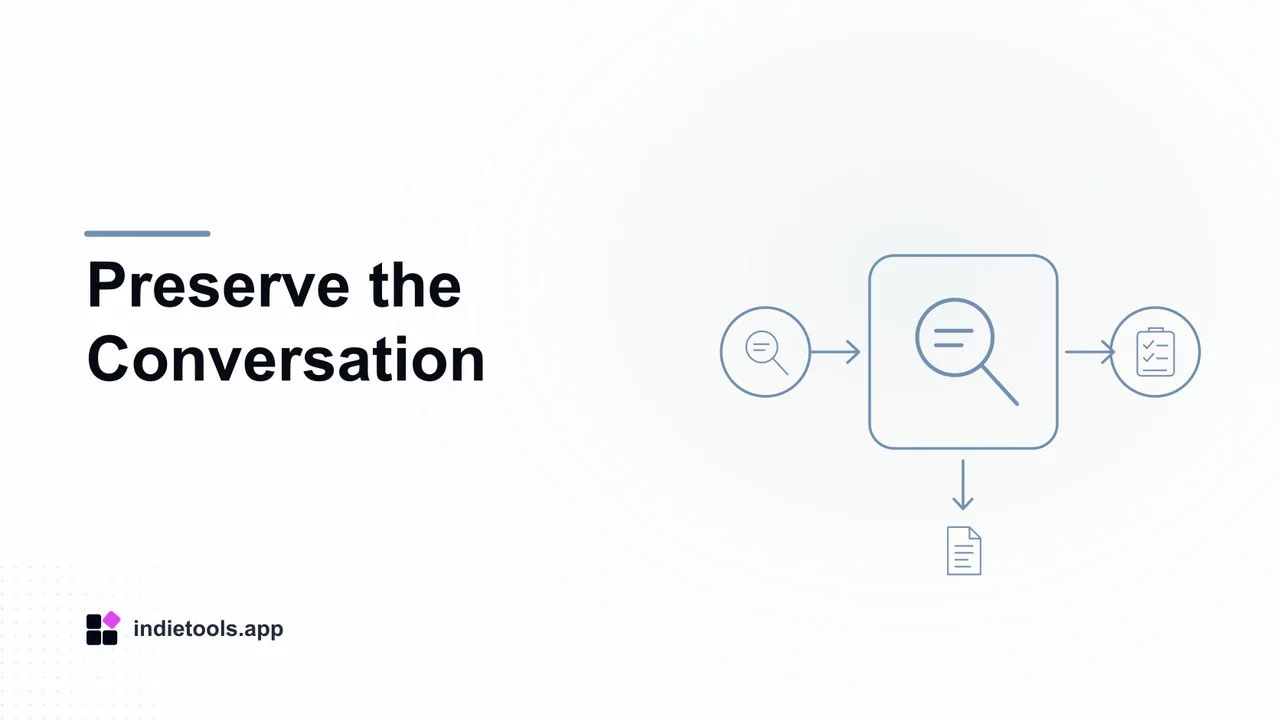
Keep an original chat export, review the converted chronology and separate transcript corrections from source material when building a project archive.
 Cometflow Space
 Cheapwpthemes
 SketchScreen
 APINEED
 SameSame
 archmaster
 AEON Intel
 ASO.dev
 Zap2Doc
 Desk Champ
 Indie Chains
 Expiry Manager
 ContentCreators.com
 FastMinify
 Cliptude