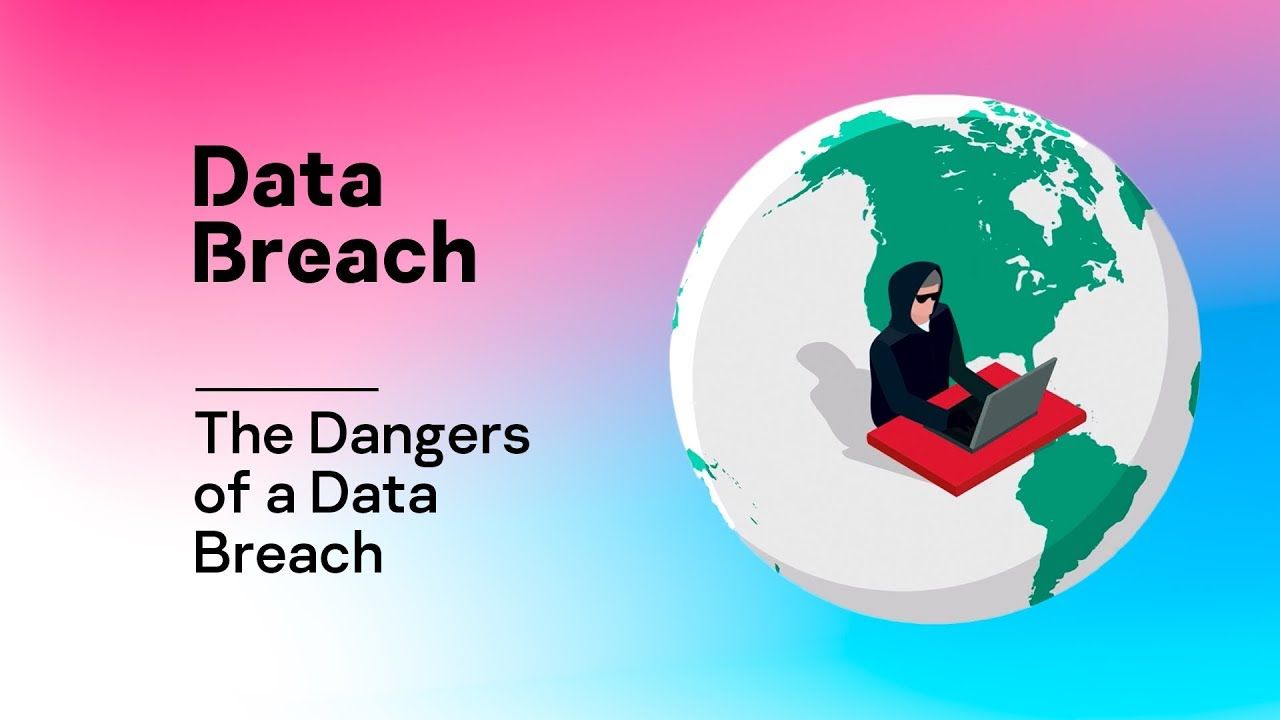
Information Breach: What It Is, Recent Examples, and Health Data Risks
An information breach occurs when sensitive data is accessed, disclosed, or stolen without authorization. From recent information breaches affecting millions to healthcare organizations losing patient records, these incidents are increasing in both frequency and impact. Understanding how breaches happen and what to do next is critical for individuals and organizations alike.
What Is an Information Breach?
An information breach involves the exposure of confidential data such as names, Social Security numbers, medical records, or financial details. Breaches can result from cyberattacks, human error, or system vulnerabilities.
How an Information Breach Happens
- Phishing emails trick users into revealing credentials
- Malware or ransomware infiltrates systems
- Weak passwords or reused credentials
- Misconfigured cloud storage or databases
Information Breach vs Data Breach
While often used interchangeably, an information breach focuses on exposed personal or sensitive data, whereas a data breach can include any unauthorized system access even without data theft.
Recent Information Breaches You Should Know About
Recent information breaches have impacted governments, hospitals, retailers, and financial institutions. Many involved exposed personal information that later appeared on the dark web.
Common Causes Behind Recent Breaches
- Unpatched software vulnerabilities
- Third-party vendor compromise
- Employee credential theft
- Inadequate access controls
Industries Most Affected by Information Breaches
- Healthcare
- Finance
- Education
- Government agencies
Health Information Breach Explained
A health information breach occurs when protected health information (PHI) is exposed without authorization. This includes medical records, insurance data, diagnoses, and treatment histories.
What Counts as a Health Information Breach?
- Stolen patient databases
- Lost or unencrypted devices
- Unauthorized access to electronic health records
- Accidental disclosure to the wrong recipient
HIPAA Violations and Healthcare Data Exposure
Healthcare organizations must comply with HIPAA regulations. Failure to safeguard PHI can lead to regulatory fines, lawsuits, and reputational damage.
Why Health Data Is a Prime Target
Health data is highly valuable because it:
- Can’t be easily changed like passwords
- Enables identity theft and insurance fraud
- Sells for more than credit card data
What to Do If Your Information Is Breached
Immediate Steps for Individuals
- Change passwords immediately
- Enable multi-factor authentication
- Monitor financial and medical statements
- Place fraud alerts or credit freezes
Steps Organizations Must Take
- Conduct a breach investigation
- Notify affected individuals
- Report to regulatory authorities if required
- Implement corrective security measures
Where an incident also involves email configuration, an authorised administrator can inspect the organisation's public mail domain with the IndieTools email DNS checker. Submit only the domain and, if needed, its DKIM selector. This is a configuration check, not a patient-data assessment or compliance audit.
How to Prevent Information Breaches
Prevention Best Practices
- Use strong, unique passwords
- Train employees on phishing awareness
- Encrypt sensitive data
- Limit access to critical systems
Keep patient records in approved clinical and incident-response systems, rather than pasting them into general support forms. The Safe Privacy Mask profile on IndieTools describes a text-masking aid to evaluate with non-sensitive examples. It does not authorise disclosure of health information or replace your organisation's controls.
Security Controls That Reduce Risk
- Endpoint protection and monitoring
- Regular security audits
- Zero-trust access models
- Incident response planning
Information Breach FAQs
What is considered an information breach?
Any unauthorized access, disclosure, or theft of sensitive personal or organizational data.
Are health information breaches illegal?
Yes. Unauthorized exposure of protected health information violates privacy laws like HIPAA.
How long does it take to detect an information breach?
Detection can take weeks or months, especially if attackers remain undetected.
Conclusion: Why Information Breaches Are a Growing Threat
Information breaches are no longer isolated incidents they are a persistent risk across every industry. With recent information breaches and health information breaches rising sharply, proactive security, fast response, and user awareness are essential to reducing damage and protecting sensitive data.
 Revfaro