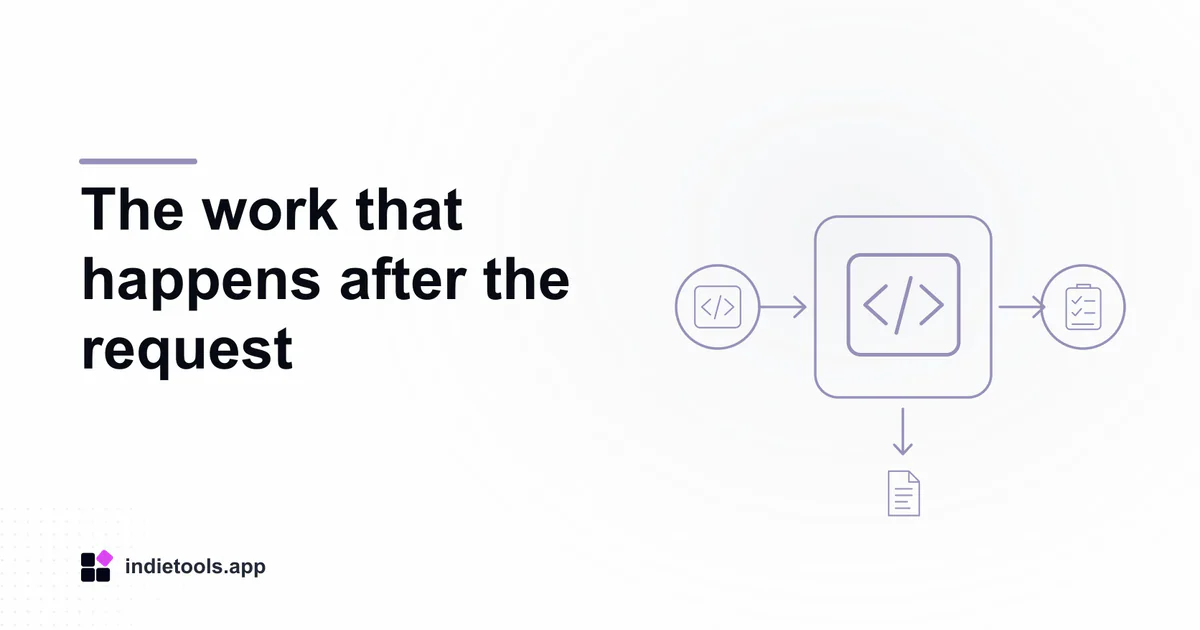
A PHP application's web pages can work while its scheduled jobs are misconfigured. Review the command, runtime environment, schedule and failure record separately before accepting an operational handover.
The PHP product catalogue, checked on October 3, 2026, includes Smart Vending Machine Software, which describes operational monitoring, and StackLedge, which describes a curated software directory. Their declared stack gives context for questions about recurring work; it does not prove that either product uses a particular scheduler or command-line design.
Identify the job's business obligation
Name the outcome in user terms: refresh a report, prepare a notification or process pending media. Then define when that outcome must be available and what a late run means. A cron expression is an implementation detail, not a complete service expectation.
For a monitoring workflow, stale data should be distinguishable from a fresh observation with no activity. For a directory, an empty processing queue differs from a worker that has stopped checking it. Ask which timestamp or status lets an operator tell those situations apart.
Use fictional records for a rehearsal. The aim is to inspect an operating contract without sending live notifications, changing customer inventory or publishing an unauthorized listing.
Compare web and command-line environments
PHP documents differences between CLI and web execution, including working-directory behaviour and execution defaults. A script that works from a developer's terminal can therefore behave differently under a scheduler.
Record the exact runtime version, executable location, working directory and configuration source used by the job. Confirm required extensions and environment variables without printing their secret values. A deployment should not depend on an interactive shell profile that the scheduler never loads.
Ask how code releases and worker processes stay aligned. If a web deployment changes record shapes while a long-running worker keeps older code, a healthy homepage is weak evidence of overall application compatibility.
Rehearse a missed and a repeated run
In an isolated setup, delay one scheduled run and observe the recovery policy. Does the next run catch up, skip the missed interval or require an operator? Any of those may be reasonable when documented; silently losing expected work is not.
Then start two attempts close together using the vendor's supported test method. Determine whether the work has a stable identity and whether duplicate execution can cause repeated messages or conflicting updates. Do not test this by launching uncontrolled parallel commands against production.
Keep a record of accepted work, completed work and unresolved failures. A process exit code alone may not explain whether an external service accepted an action before the job stopped.
Hand over a usable runbook
The next operator should know how to inspect the last successful run, locate a failed item, retry it safely and stop recurring work during an incident. Include permissions and escalation ownership, not credentials embedded in a document.
Finish by having someone other than the original developer follow the runbook in staging. Record the gaps they encounter. For jobs that finish media submissions, pair this exercise with the PHP upload lifecycle review so browser and background states tell the same story.
 Stardew Valley Tracker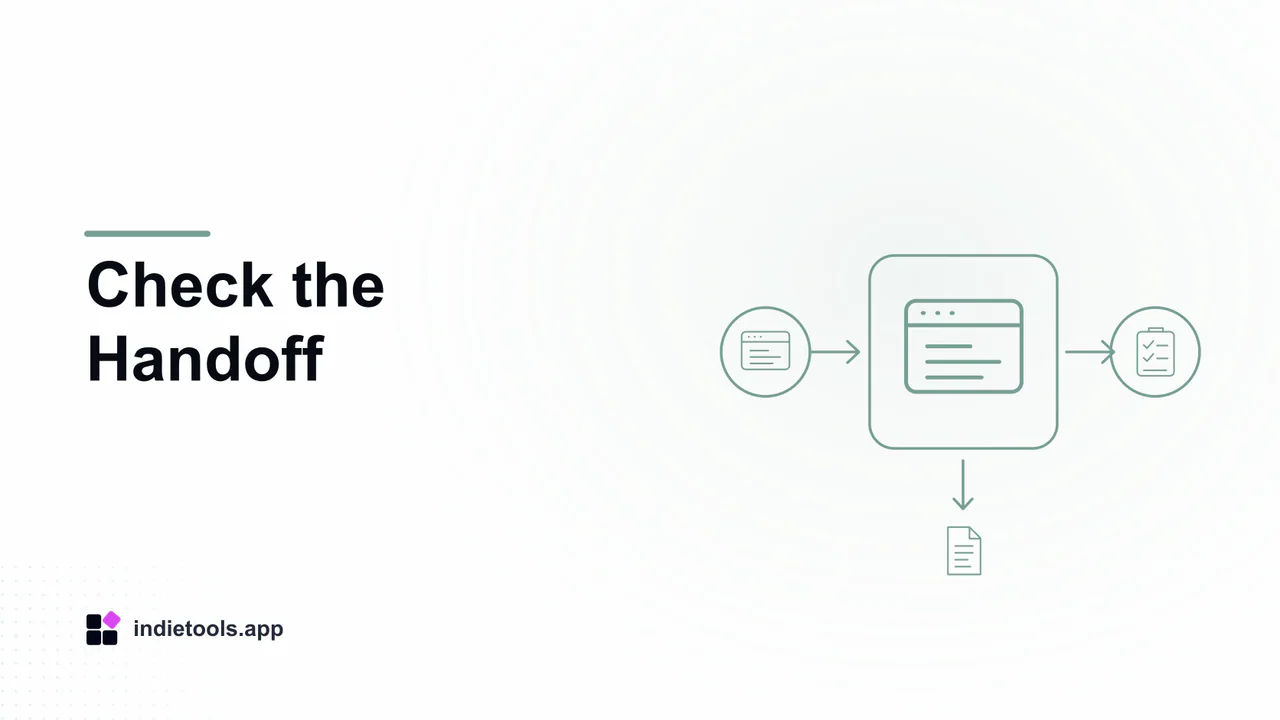
 IcyZip