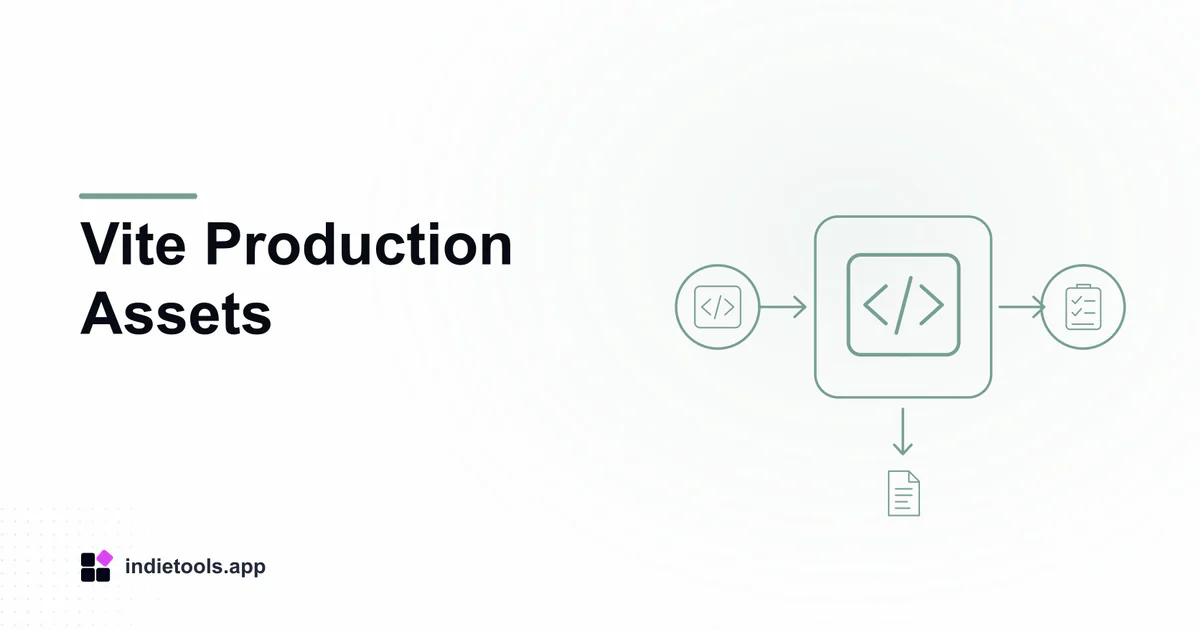
Test a Vite production build at the path where it will actually be served. Open a deep link directly, refresh it and activate a feature that loads another asset. These checks distinguish a working development server from a deployment whose HTML, JavaScript and server routing agree about the public URL structure.
The Vite collection includes YourBiz, a business-application example with several user workflows. The scenarios below are general release checks, not reported defects in that product.
Define the deployment path first
Write down whether the application lives at the domain root or beneath a path prefix. Include any reverse proxy, backend framework or static hosting layer responsible for serving it. A build configuration cannot compensate for an undocumented disagreement between those layers.
Vite's production build guide describes the public base path used for nested deployment. Apply the configuration appropriate to the installed version and architecture, then verify the generated URLs instead of assuming the setting affected every custom reference.
Keep application routes separate from asset locations in the review. A page path and a JavaScript chunk path may require different server behaviour.
Start from a clean built artifact
Produce a release build from a known revision and serve it through the intended preview or staging arrangement. Do not evaluate production behaviour by leaving the development server running behind the final hostname.
Inspect the HTML references and the browser's network requests. Look for unexpected absolute paths, missing prefixes and resources served with an incorrect content type. Record the first failing request rather than chasing every downstream console error caused by one missing entry script.
For a server-integrated application, include the backend's asset manifest and template integration in the check.
Exercise direct navigation
Choose a public route and an authorised private route in the test environment. Load each from a fresh address-bar navigation, then repeat through in-app links. Refresh the nested route and compare the response.
A client router may navigate successfully after the homepage has loaded while a direct request fails at the server. Conversely, an overly broad fallback can return the application HTML for a missing image or script. Check status and content type, not only whether the response is non-empty.
Unknown application routes should also have deliberate behaviour. A blanket successful response can hide broken links from both operators and crawlers.
Include assets loaded after interaction
Open a dialog, visit a secondary feature and scroll to media that was not requested initially. These actions can reveal lazy chunks or dynamically constructed paths absent from the first-screen check.
Test filenames with spaces or other supported characters through the normal upload and delivery process. Keep manually constructed URL strings to a minimum where the build system provides a supported asset reference mechanism.
Review deployment transitions
Consider a browser tab opened before a release that later requests a deferred asset. Use the hosting platform's supported strategy for retaining compatible assets or recovering from a stale session, and test the behaviour before promising uninterrupted operation.
Do not describe one successful fresh load as evidence for every already-open client. Record the scenario and the specific recovery path observed.
The related Vite environment-variable guide covers the configuration compiled into those same files. A dependable release needs both correct public values and correct asset delivery. Preserve a concise request checklist so later hosting or base-path changes can be reviewed against the same evidence.