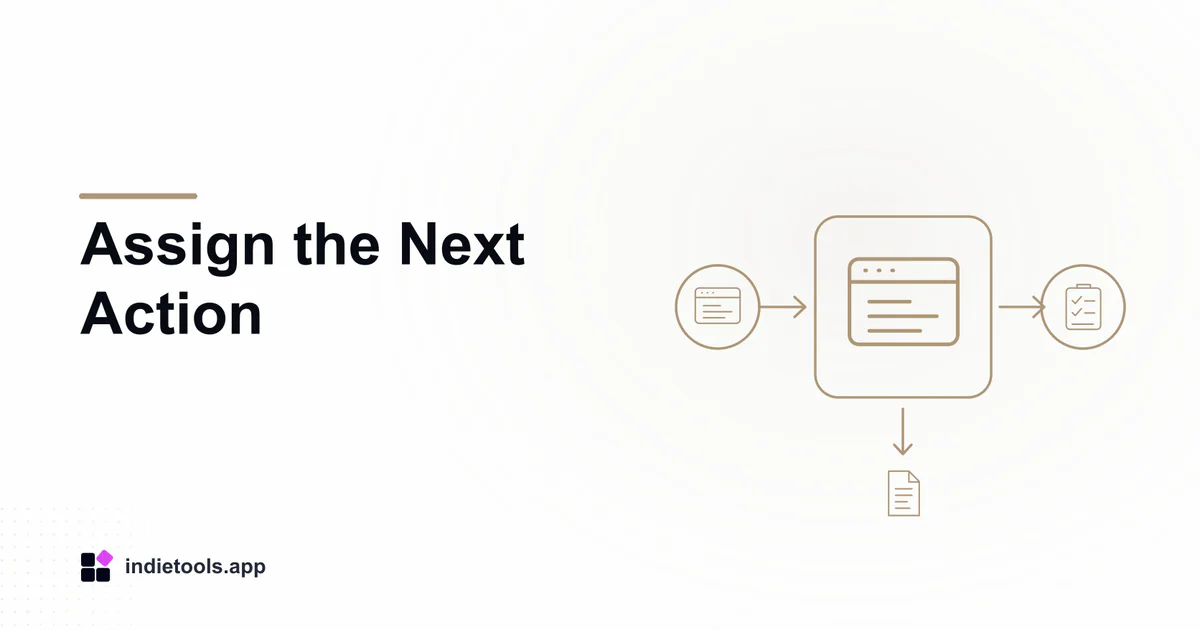
Start an expiry reminder system with a few well-understood items, not a bulk upload of every document you own. For each item, connect a verified date to an action, an owner and a way to confirm completion. Expiry Manager, found in the United Kingdom catalogue, describes document-date tracking and shared reminders that provide a context for this workflow.
The procedure is proposed guidance, not a report of an account setup. It does not replace the issuer's rules for a document or the provider's process for cancelling a service.
Choose three different item types
Select a small set that exposes different needs, such as an equipment warranty, a recurring subscription and a staff certificate. Use fictional or sanitized examples while learning the interface.
Write the next action for each. A warranty may only need to remain discoverable, while a certificate may require arranging a course before its stated expiry. Do not use the same reminder timing merely because all three items contain a date.
Verify the date and its meaning
Read the source document or provider record. Distinguish the issue date, billing date and expiry date. If scanning suggests several possibilities, confirm the correct field against its surrounding label.
Expiry Manager describes user confirmation of scanned suggestions. Keep that review step even when a suggested date looks plausible. A confident-looking extraction can still select the wrong kind of date.
Record the source reference without exposing unnecessary sensitive information in the item's visible title. If the date is uncertain, assign a clarification task instead of inventing a deadline.
Work backward from the action
Determine how much preparation the action needs using the relevant current process. Add a reminder early enough for that work, then decide whether a later follow-up is useful. Avoid creating so many notifications that none carries a clear meaning.
Use wording that says what to do: review a renewal offer, contact the issuer or confirm a booking. “Something expires soon” is less useful than a message tied to a specific next step.
Give one person responsibility
Shared visibility helps coordination, but the item still needs an owner. Name who acts, who can edit the record and who provides backup if the owner is unavailable. Confirm these expectations with the people involved.
Test the product's relevant roles using sample items. Check which information appears in a shared workspace and which remains private. The country directory label does not establish the access or privacy behavior of the application.
Run a notification rehearsal
Create a harmless short-term reminder and inspect its delivery through the actual channel you intend to use. Confirm that the recipient recognizes the item and can find the source or instructions without asking for an explanation.
Edit or resolve the sample and observe what happens to later reminders. Save the result as a narrow observation about that account and configuration, not as a guarantee that every future notification will arrive.
Close with evidence, not a checkbox alone
When the real action happens, retain an appropriate confirmation reference and update the tracked date or status. Cancelling a reminder is not the same as cancelling a subscription, and changing a date does not renew a certificate.
Review the small pilot before importing more items. The expiry software evaluation guide covers the wider selection questions. Expand when each item has a trustworthy source, an understandable next action and an owner who knows how completion is recorded.
Source
See Expiry Manager for current tracking and reminder capabilities.

 Expiry Manager
 IcyZip
 Acres
Acres Plainrow